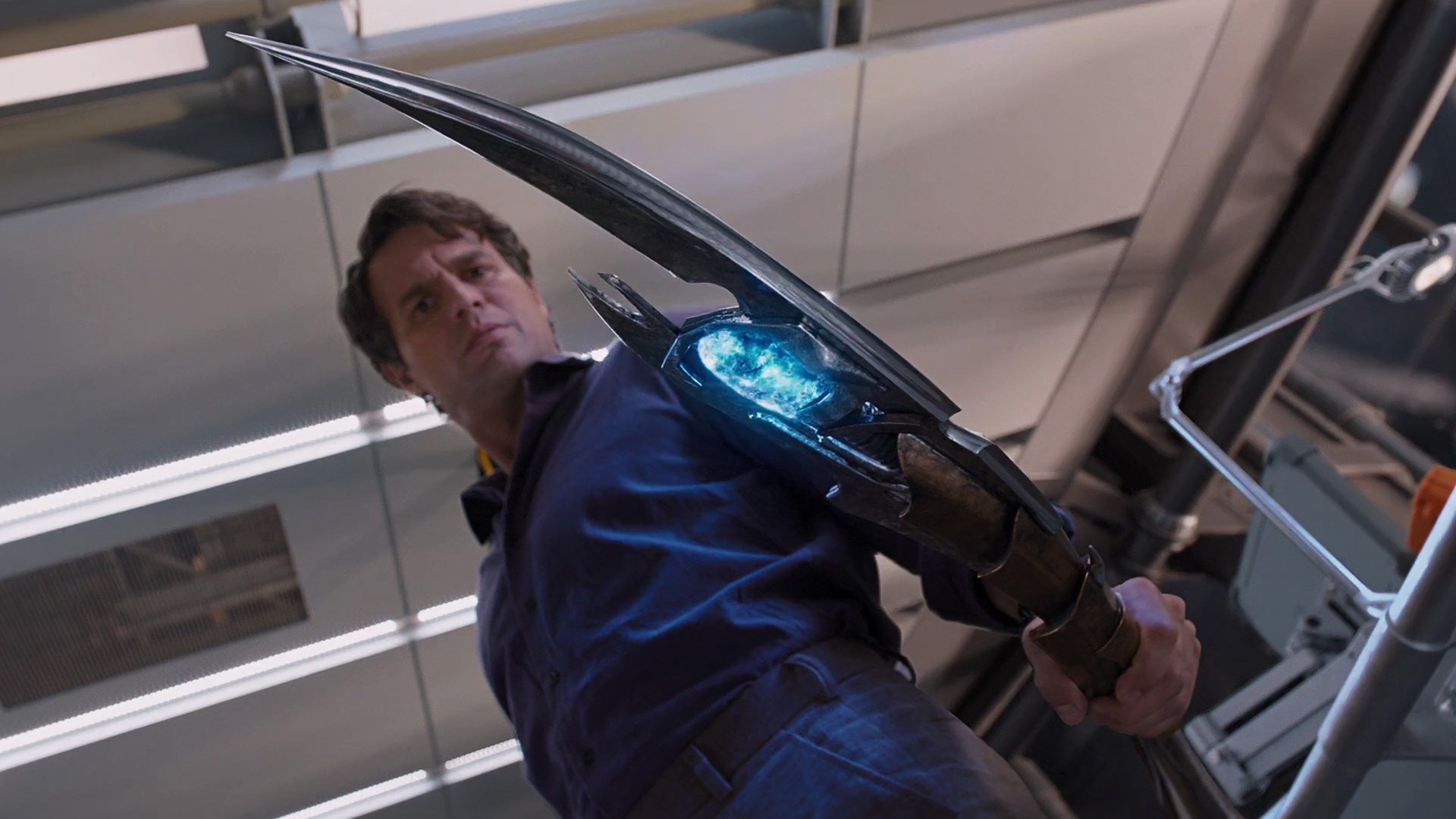
Welcome to my MCU Rewatch, where I write an analysis of the MCU movies in the order of theatrical release. In this installment, I talk about how The Avengers focuses on the characters’ relationships to each other to mask the cookie-cutter plot.
Release Date: 4 May 2012
Distributor: Paramount
Director: Joss Whedon
I have written several drafts of possible essays for this movie and none of them seem to be going anywhere. Simply put, I don’t know how to convey my love for this movie as most of my love comes from the fact that it’s just damn enjoyable. The storytelling, particularly how all the heroes come together so naturally, works.

Most of that credit goes to the movie’s director, Joss Whedon. As a creative, Whedon’s strength is in juggling the campy with subversion. Think the first episode of Buffy the Vampire Slayer, when Buffy gives a speech to the baddie vampire about sunlight, only to have the whole scene divert when a window is opened and it’s completely dark outside. Think about the internet musical sensation Dr. Horrible’s Sing-along Blog, which follows the whimsical adventure of Dr. Horrible as he attempts to join the Evil League of Evil.
Whedon’s flair is all over this movie, and it’s wonderful because Whedon’s wheelhouse was superheroes even before he was a director for the Marvel Cinematic Universe. Think about the moment we are introduced to Natasha Romanoff (Scarlet Johansson), who starts in a position of weakness but turns the situation around, revealing she had full control all along. Think about Tony Stark’s quips (Robert Downey Jr.) and the humor behind them. “Doth mother know you weareth her drapes?”
Simply put, this movie is fun. There’s minimal swearing, absolutely no sex (though there is a rape threat), barely any romance, and a whole lot of quippy action. The real question is this: How does it all fit into the larger Marvel Cinematic Universe?

The Avengers marks the pinnacle of the Marvel Cinematic Universe. Everything has been working towards this movie from the moment Tony Stark got captured by a terrorist group in the middle east. There was a lot riding on this movie and the six characters that would come together to form the cast.
The final results are relatively successful, with The Avengers grossing $1.5 billion worldwide during its entire theatrical run. As a fangirl, this is one of my favorite movies to come back to again and again, and I can’t be the only one that does it.
We can speculate on the why of the success, but I like to think it’s because the characters get along so well. The narrative focuses on the relationships between the characters, and that is the essence of what makes a compelling story. No one will care about a cookie-cutter plot if no one cares about the characters carrying it, so focus on the characters. What is their goal? What are their motivations? What are the obstacles in their way? How does overcoming those obstacles affect the characters?
For the most part, The Avengers does a good job with answering these questions despite the ensemble cast. Natasha Romanoff wants to pay back a debt she owes to Clint Barton (Jeremy Renner). Bruce Banner (Mark Ruffalo) wants to do his science thing and get out before the “Big Guy” comes out to play. Thor (Chris Hemsworth) wants to find his brother and bring him back to Asgard. Tony Stark wants to find out Nick Fury’s (Samuel L. Jackson) ultimate goal.

There are two characters where this movie falls short.
Steve Rogers: The man out of time and billed here as Fury’s perfect little soldier. That loyalty contradicts what we’ve seen thus far and what we will see in future movies. Steve Rogers (Chris Evans) does not do well with authority. His skepticism around SHIELD in Captain America: The Winter Soldier is more his brand. So why the loyalty here? I speculate that it’s because SHIELD is the organization assimilating Steve into the modern world, and Steve has no choice but to trust them. I don’t really have anything to back that up, other than Steve’s introduction in this movie, and that’s why Steve’s character feels misaligned in The Avengers.
Loki: Loki’s (Tom Hiddleston) whole “humanity craves subjugation” philosophy screams teenage ideology to me. As such, I as a viewer have a hard time getting behind Loki and his motivations here. At least in Thor, his arc was nuanced and motivated by his newfound knowledge of being adopted. Here, Loki plays a cookie-cutter villain. It’s made worse by Marvel’s recent retcon, where it’s revealed Loki’s actions on Earth are a result of mind control by Thanos. So what are Loki’s real motivations?
Where do we go from here? Our heroes scatter to the wind for a while before reuniting in Avengers: Age of Ultron, which has the opportunity to develop the Avengers’ relationships with each other now that they have a foundation established.
Tune in next time for Tony Stark’s third and final redefinition of himself in Iron Man 3.

Random Thoughts about The Avengers
- While everyone’s vying for a movie about Black Widow, can we also get one about Maria Hill? I imagine her character as a walking eye-roll. Her movie should be called Maria Hill and the Audacity of Idiots.
- The real tragedy here is that Agent Coulson’s next appearance in the MCU films is Captain Marvel, which takes place in the 1990s. Meanwhile, he has a whole freaking television show based around him.
- Anyone find it odd that Tony has his own closet on the Helicarrier when he also has zero good relationship with them?
Leave a Reply